UK judges begin hearing appeal over Trinidad and Tobago anti-gay law
Aadi Foundation’s own summary of a developing story. Read the original report at The Guardian ↗
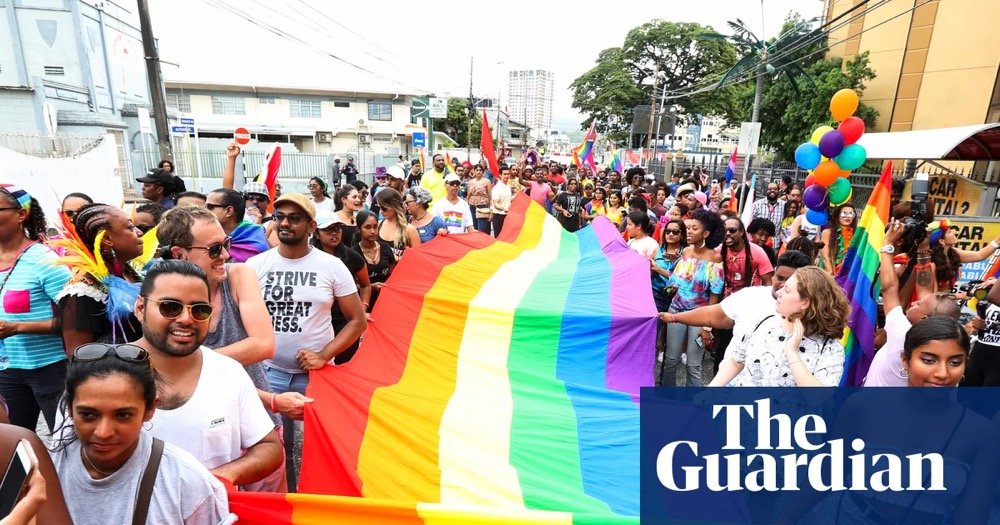
Senior UK judges have begun hearing an appeal over whether Trinidad and Tobago can keep a colonial-era law that criminalises consensual same-sex intimacy between men. The case, brought by a long-standing LGBTQ+ rights activist, is being watched closely across the Caribbean, where several nations retain similar statutes inherited from British rule.
From decriminalisation to reversal
The law in question dates to 1925 and was later incorporated into the country's Sexual Offences Act. In 2017 the activist Jason Jones challenged it, and in 2018 a high court ruled that it violated his constitutional rights to privacy and equality. That victory was later overturned by a court of appeal following an intervention by the country's attorney general, prompting Jones to take his case further.
The appeal is now before the London-based judicial committee of the Privy Council, the highest court of appeal for a number of Commonwealth countries, which shares its judges with the UK Supreme Court. A ruling is expected within roughly three to six months. Under the contested law, a person can face several years in prison for consensual same-sex relations.
A regional test case
The Trinidad and Tobago government is opposing the appeal, arguing that the outcome could reach well beyond this single law. Officials say the case touches on so-called savings clauses, provisions written into many Caribbean constitutions at independence to preserve existing colonial-era laws, and that a ruling could guide which such laws are retained or discarded.
Campaigners note that recent years have seen courts strike down comparable laws in several Caribbean nations, while a handful of countries still criminalise same-sex intimacy. Jones argued that the matter should never have reached a British court and that the state could have removed the law itself, while expressing confidence in his case.
Why it matters
The decision could shape the legal standing of LGBTQ+ people not only in Trinidad and Tobago but across a region still grappling with the legacy of colonial legislation. For human rights advocates, the case is a reminder that laws written generations ago can continue to affect the dignity, privacy and safety of people today, and that courts remain a key avenue for challenging them.
Original reporting
The Guardian — read the full report
Aadi Foundation Newsroom
Curated and summarised by Aadi Foundation, a youth-led NGO raising awareness on the issues shaping India and the world. Learn about our work →
Turn awareness into action
Support our work, or start something of your own.