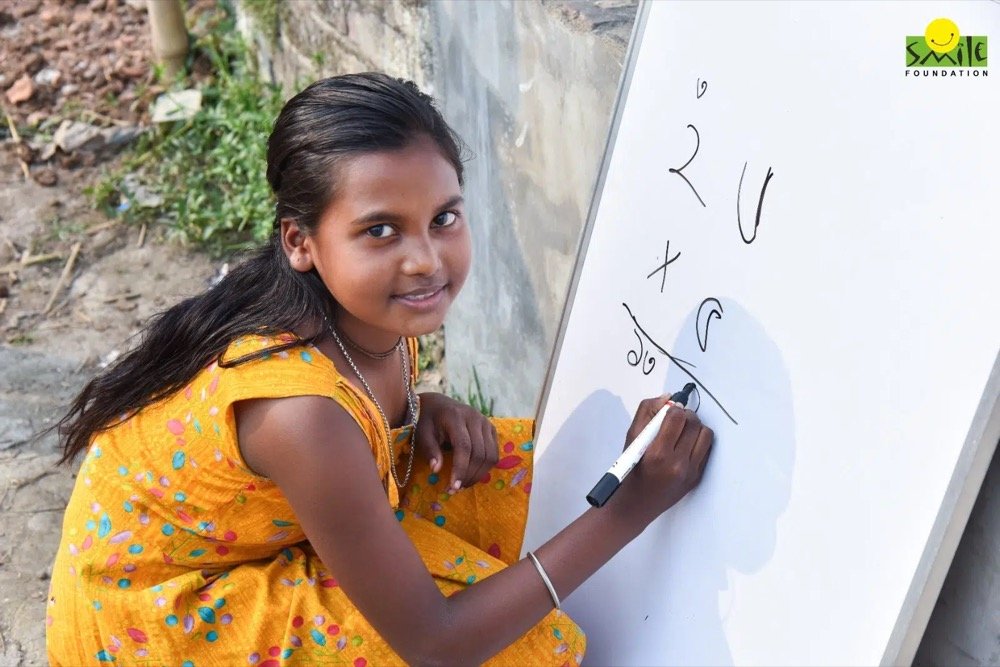
Empowering Futures: Central Government Schemes for Girls’ Education
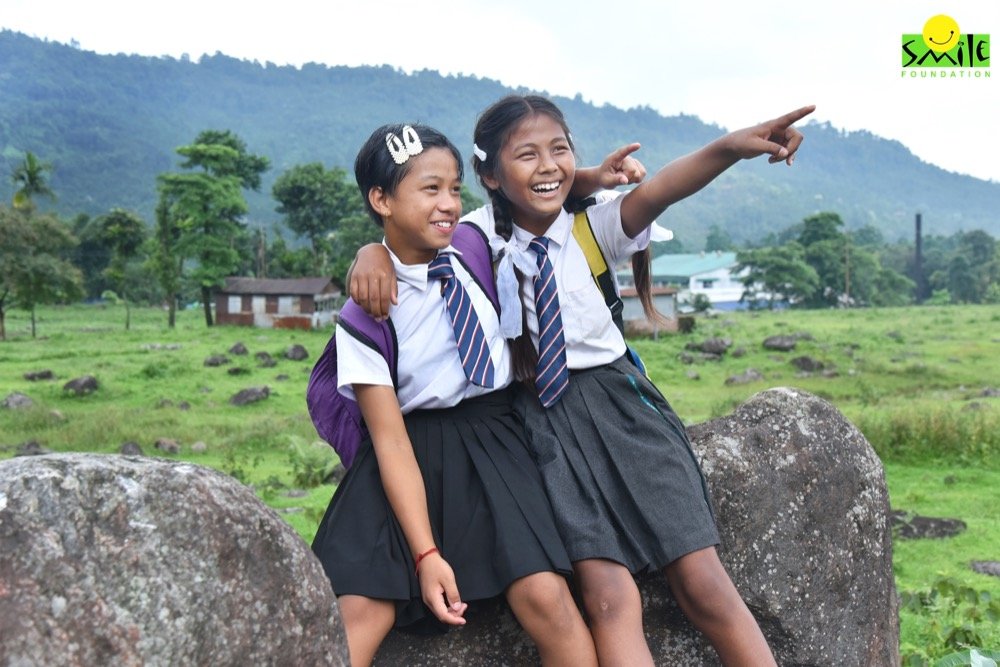
Aadi Foundation’s own summary of a developing story. Read the original report at Smile Foundation ↗
Educating girls is one of the most powerful investments a country can make, and India has built a range of central government schemes aimed at keeping girls in school. These programmes tackle the many obstacles families face, from the cost of tuition and supplies to concerns about distance, safety and nutrition. Together they form a support system designed to move a girl from her first classroom all the way through secondary education.
Legal foundations and financial incentives
The starting point is the Right to Education Act, which makes schooling free and compulsory for children between the ages of six and fourteen and bars discrimination in admissions. Building on that legal guarantee, targeted incentive schemes reward continuation. Programmes that offer financial support to girls who complete upper primary school and move into secondary grades help ease the money worries that often push families to withdraw daughters once basic education ends. A small, well-timed incentive can be the deciding factor in whether a girl stays enrolled.
Reaching the most vulnerable
Some of the strongest barriers are practical: schools that are too far away, household chores that pull girls out of class, and the risk of early marriage. Residential schools established for girls from marginalised communities in educationally backward areas directly address these problems by providing a safe place to live and learn. Broader school-improvement funding supports gender-sensitive infrastructure such as separate toilets for girls, stipends and self-defence training, all of which have been shown to improve attendance and retention.
Nutrition and awareness
Hunger is a quiet enemy of learning. India's long-running mid-day meal programme, now delivered as a nutrition scheme, provides cooked meals in schools that both improve children's health and relieve financial pressure on low-income families, encouraging regular attendance. Alongside these material supports sits a nationwide social awareness campaign built around the message of saving and educating the girl child. Rather than handing out money, it works to change the attitudes of families and communities so that educating a daughter is seen as a priority rather than a burden.
Why it matters
No single scheme can transform girls' education on its own, which is precisely why India runs several in parallel. Legal rights guarantee access, incentives remove financial hurdles, residential schools and safer infrastructure address safety and distance, meals tackle hunger, and awareness campaigns shift mindsets. When these efforts work together, they raise enrolment, cut dropout rates and delay early marriage. An educated girl is more likely to earn a decent income, make informed decisions about her health and family, and pass the benefits of learning on to the next generation. Sustaining and strengthening these schemes is essential to India's wider goals of gender equality and inclusive growth.
Original reporting
Smile Foundation — read the full report
Aadi Foundation Newsroom
Curated and summarised by Aadi Foundation, a youth-led NGO raising awareness on the issues shaping India and the world. Learn about our work →
Turn awareness into action
Support our work, or start something of your own.