Child’s rape and murder in India sparks mob and police killings
Aadi Foundation’s own summary of a developing story. Read the original report at CNN ↗
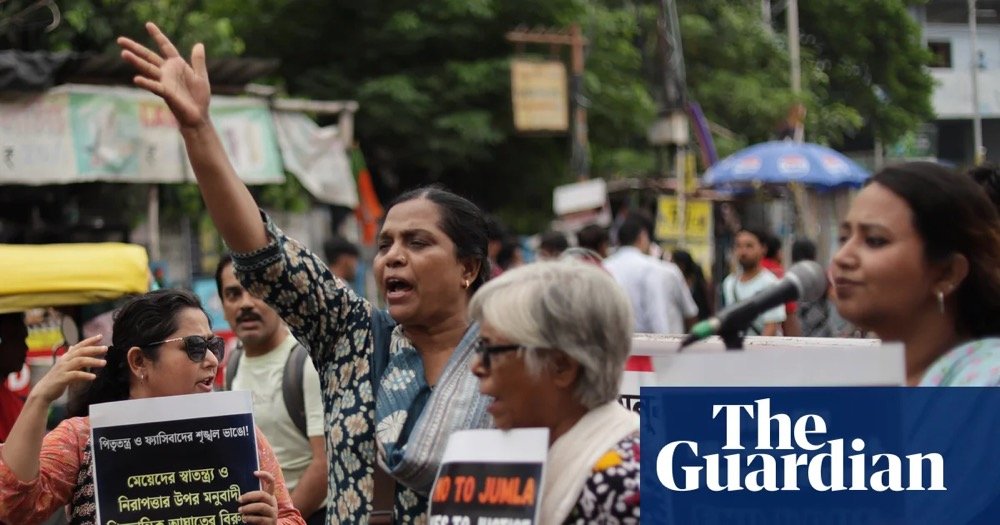
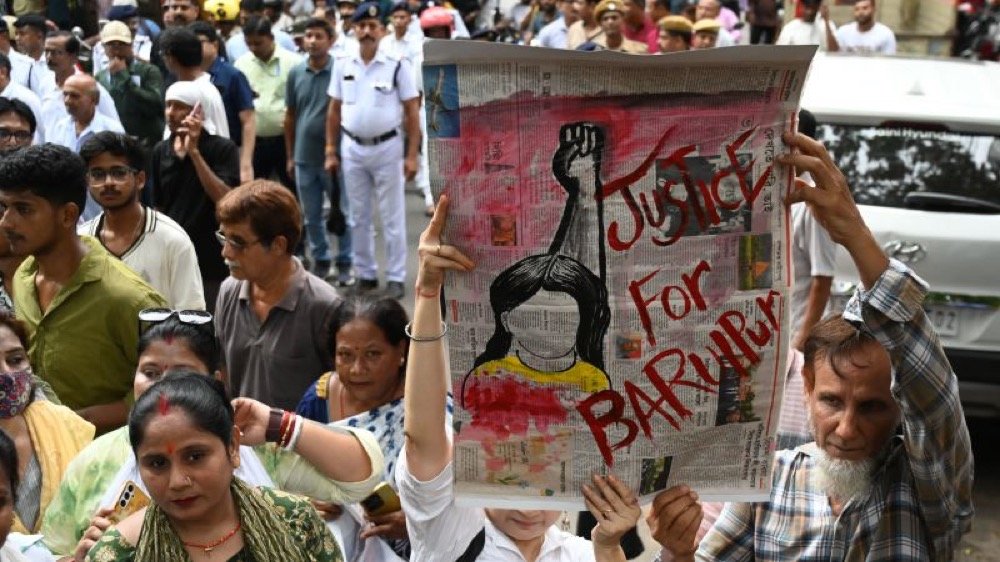
The rape and killing of an 11-year-old girl in West Bengal has done more than devastate a single family. It set off a wave of mob violence and a contested police killing that together illustrate how quickly a community's grief can turn into a wider breakdown of order. The events in and around Baruipur, near Kolkata, have raised hard questions about policing, accountability and the dangers of vigilante justice.
When a crowd becomes the law
After the child's body was recovered from a pond, anger erupted across the area. Roads were blocked, shops and a local railway station were damaged, and the unrest overwhelmed attempts to contain it. In the middle of this, a man who had no established connection to the crime was set upon by a crowd and beaten to death. The chief minister subsequently described him as innocent.
That killing is a stark example of what can happen when the desire for immediate retribution replaces investigation. A grieving public, convinced that the system had failed, took punishment into its own hands and ended an unrelated life. It is a pattern seen before in India, where crimes against women and children have repeatedly triggered crowds who feel that formal justice is too slow or too weak to be trusted.
A death in police custody
The chief suspect in the girl's death did not live to face trial. Police said he was killed after being taken to the scene to reconstruct the crime, claiming he tried to grab an officer's weapon and fire, and that they shot back in response. Human rights advocates and opposition politicians have treated this explanation with scepticism, pointing out that near-identical accounts have followed so-called encounter killings elsewhere. In one well-known 2019 case, four men accused of a gang-rape and murder were shot dead by police under similar circumstances.
Such killings are sometimes celebrated by a frustrated public as swift justice. But they leave crucial questions permanently unanswered, remove any chance of a full trial, and erode the principle that guilt is established by courts, not by bullets.
Why it matters
The Baruipur unrest shows how a single act of violence against a child can cascade into further deaths, both of an innocent bystander and of a suspect who never stood trial. It exposes a corrosive loss of faith in institutions, where citizens no longer believe the police and courts will act. Rebuilding that trust is not optional. Genuine justice depends on prompt, transparent policing and on resisting the temptation, however powerful the emotion, to let mobs or extrajudicial force decide who is punished.
Original reporting
CNN — read the full report
Aadi Foundation Newsroom
Curated and summarised by Aadi Foundation, a youth-led NGO raising awareness on the issues shaping India and the world. Learn about our work →
Turn awareness into action
Support our work, or start something of your own.