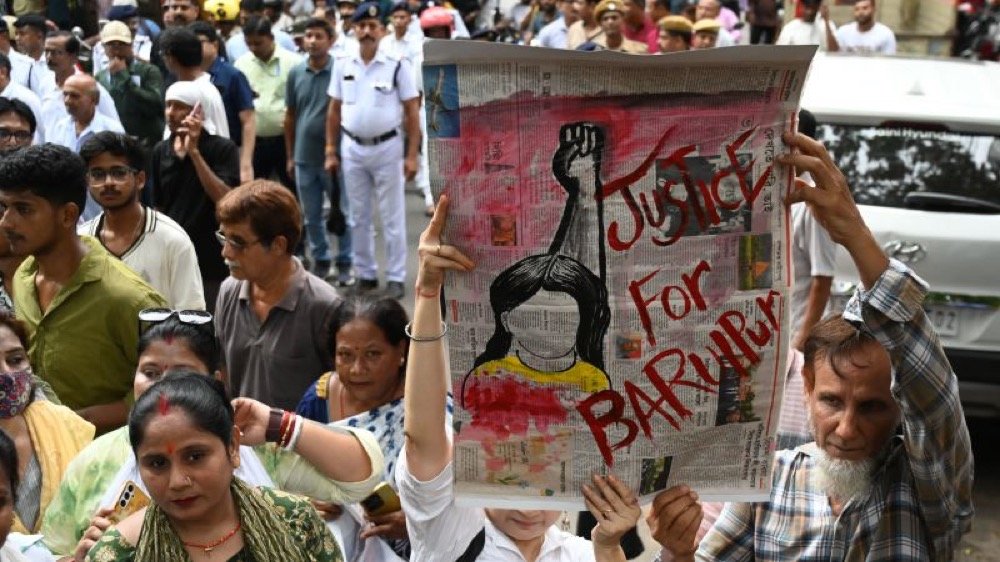
Protests engulf Indian state after rape and murder of 11-year-old girl
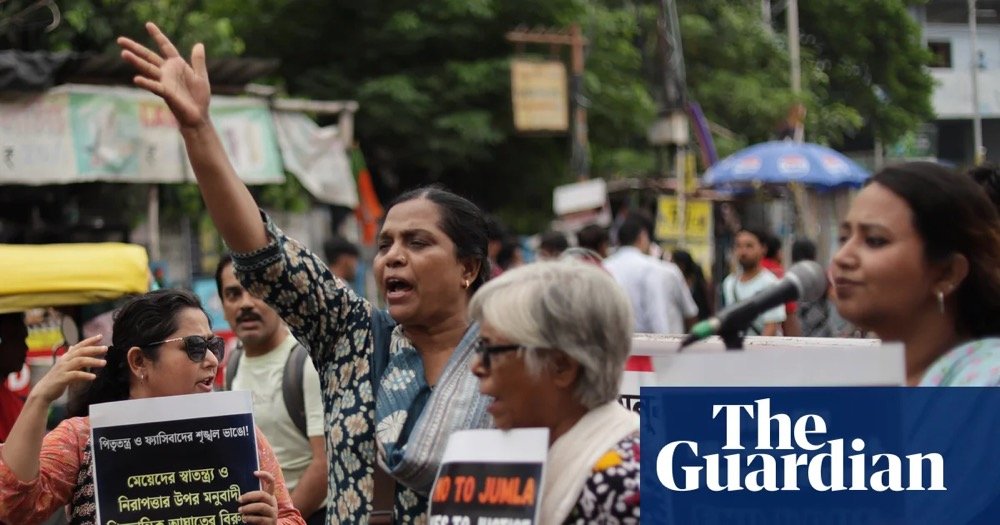
Aadi Foundation’s own summary of a developing story. Read the original report at The Guardian ↗
The eastern Indian state of West Bengal has been gripped by unrest following the rape and killing of an 11-year-old girl, an assault that triggered public fury and a series of further tragedies. In the aftermath, an innocent man was killed by a mob, and one of the accused was later shot dead by police, deepening a volatile situation. Authorities imposed restrictions on public gatherings and deployed additional forces to sensitive areas.
What happened
Anger erupted after the body of a missing girl was recovered from a pond in a town on the outskirts of Kolkata, the state capital. Police said the child had been sexually assaulted before being placed in a sack and thrown into the water. Family members alleged that police were initially slow to respond and that relatives had searched for the girl themselves.
As the community reacted, a man believed by some to be responsible was set upon and killed, though officials said he was not among the suspects police later named and described him as innocent. Tensions rose further when police fatally shot the main suspect, saying he had attempted to seize an officer's weapon and flee. Opposition figures questioned the circumstances of that killing and raised concerns about due process.
A political flashpoint
Women's safety was already a charged issue in West Bengal. The rape and murder of a trainee doctor at a Kolkata government hospital in 2024 had featured prominently in state politics and was widely seen as a factor in a change of government. The administration now faces accusations from opponents of failing to protect women and of a broader decline in law and order.
Clashes between rival party workers were reported, and dozens of people were arrested in connection with the mob killing and the wider violence. The state's chief minister visited the victim's family and said the government was committed to preventing attacks on women, though critics accused the response of being inadequate.
Why it matters
The case is a stark illustration of how violence against children and women in India can spiral into further harm when public anguish outpaces the justice system, and when mob action and contested policing replace due process. For advocates of child protection and women's safety, it highlights the need for swift, transparent investigations and for responses that protect communities rather than inflame them.
Original reporting
The Guardian — read the full report
Aadi Foundation Newsroom
Curated and summarised by Aadi Foundation, a youth-led NGO raising awareness on the issues shaping India and the world. Learn about our work →
Turn awareness into action
Support our work, or start something of your own.